Table of Contents
When facial volume starts to shift, the change can be subtle at first. One side may look a little flatter than the other, the under-eye area may seem hollow, or the cheeks may not look as smooth and balanced as they once did. For many people, that unevenness is less about looking older and more about feeling like their features no longer look naturally in sync.
The good news is that Fat Transfer can often help improve contour irregularities by restoring volume where it has been lost. At the Aesthetic Center, we offer this treatment as a surgical option that uses your own body fat to add fullness and create a softer, more balanced look.
Can Fat Transfer fix uneven facial contours and restore natural balance?
Fat Transfer can help improve uneven facial contours by restoring volume in areas that look hollow, flattened, or less balanced. Because it uses your own fat, it can create softer, more natural-looking fullness while helping the face look smoother, more symmetrical, and more refreshed.
How Fat Transfer Helps Restore Natural Facial Volume
Fat Transfer works by taking fat from one area of the body, preparing it carefully, and then placing it into areas that need more fullness. In the face, that added volume can help soften hollows, improve transitions between facial features, and create a more even overall appearance. Because the treatment uses your own fat, the result often feels like a natural fit for patients who want correction that still looks like themselves.
This matters when the goal is how to fix uneven facial contours without making the face look puffy or overfilled. Instead of simply covering the issue, facial fat transfer restores volume in a way that supports the natural shape of the face. When placed strategically, it can help create improved facial symmetry and balance while keeping facial movement and expression looking natural.
What Areas of the Face Can Be Improved With Fat Transfer
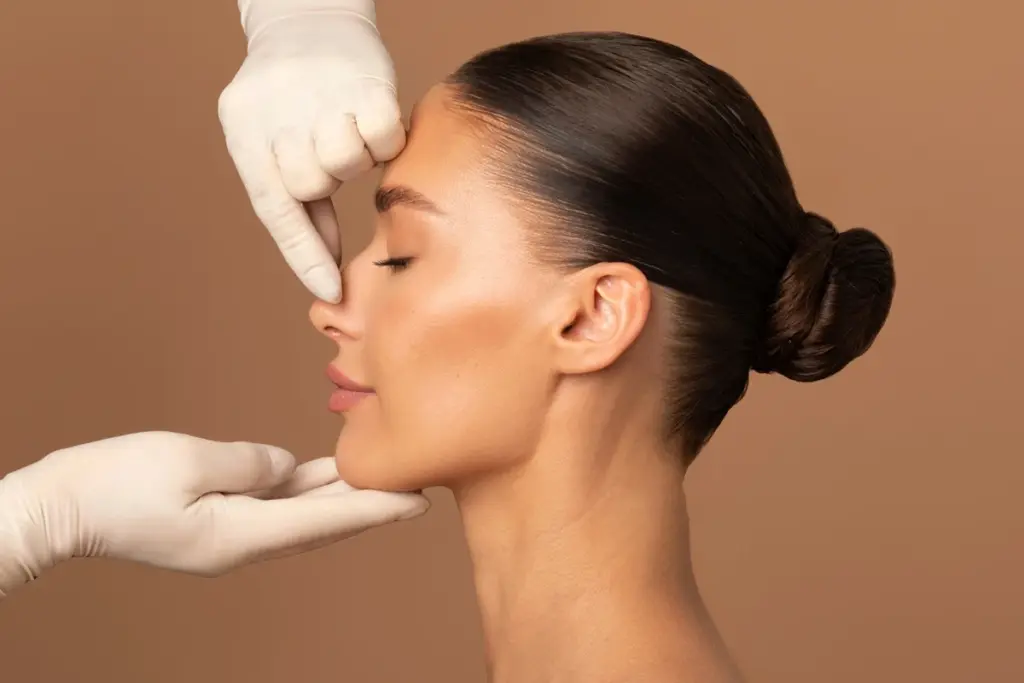
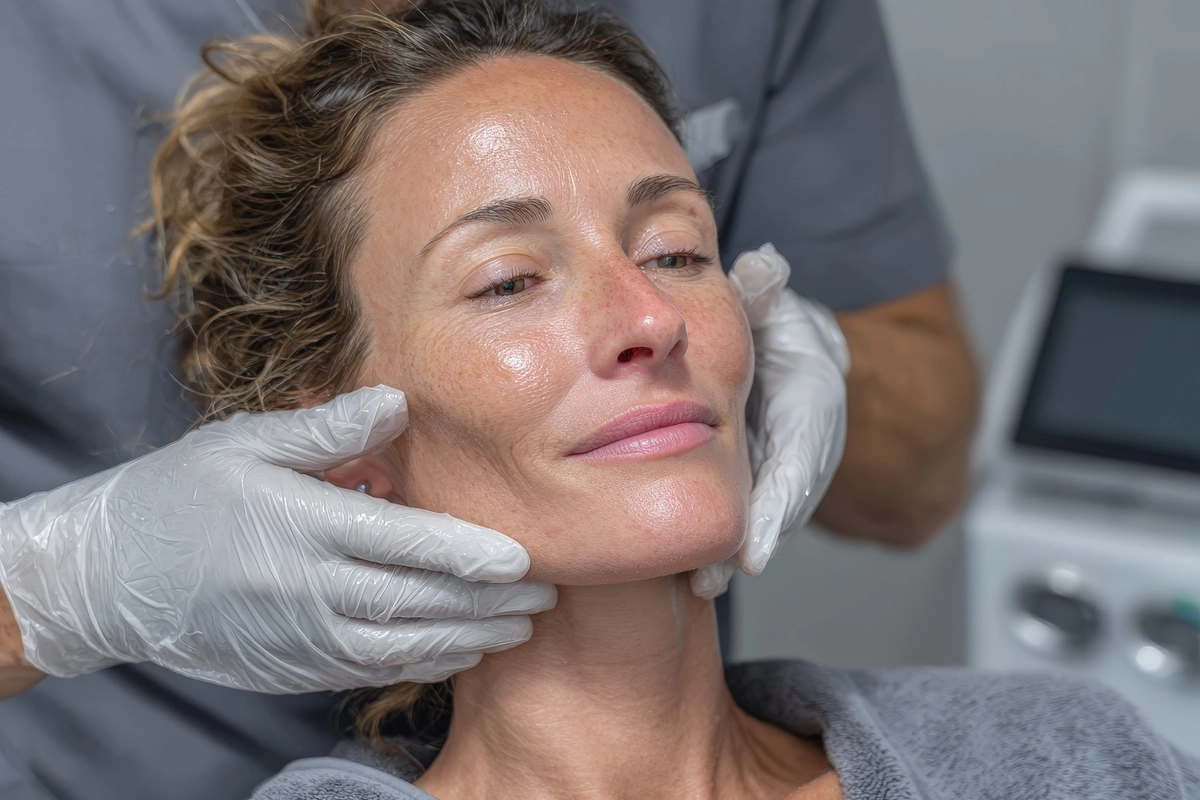
Uneven facial contours can show up as hollow under-eyes, flattened cheeks, or subtle asymmetry from volume loss. Facial fat transfer can help restore smoother contours and a more balanced appearance.
Common concerns include:
● Hollow or sunken areas
● Flattened cheeks
● Loss of soft tissue fullness
● Subtle asymmetry
The goal is to replenish soft tissue fullness where it has faded, not change your face completely. When volume is restored in the right areas, the result can look smoother, more balanced, and naturally refreshed.
Why Fat Transfer Appeals to Patients Seeking A Natural Look
Fat Transfer appeals to patients who want a natural approach because it uses their own fat instead of a synthetic filler. That can make the result feel more familiar and natural.
It may also offer a long-lasting facial volume result because surviving fat cells can remain for years. Some resorption is normal, so results can vary.
There is also a dual benefit. Fat is removed from a donor area and then placed where facial fullness is needed.
What Happens During A Facial Fat Transfer Procedure
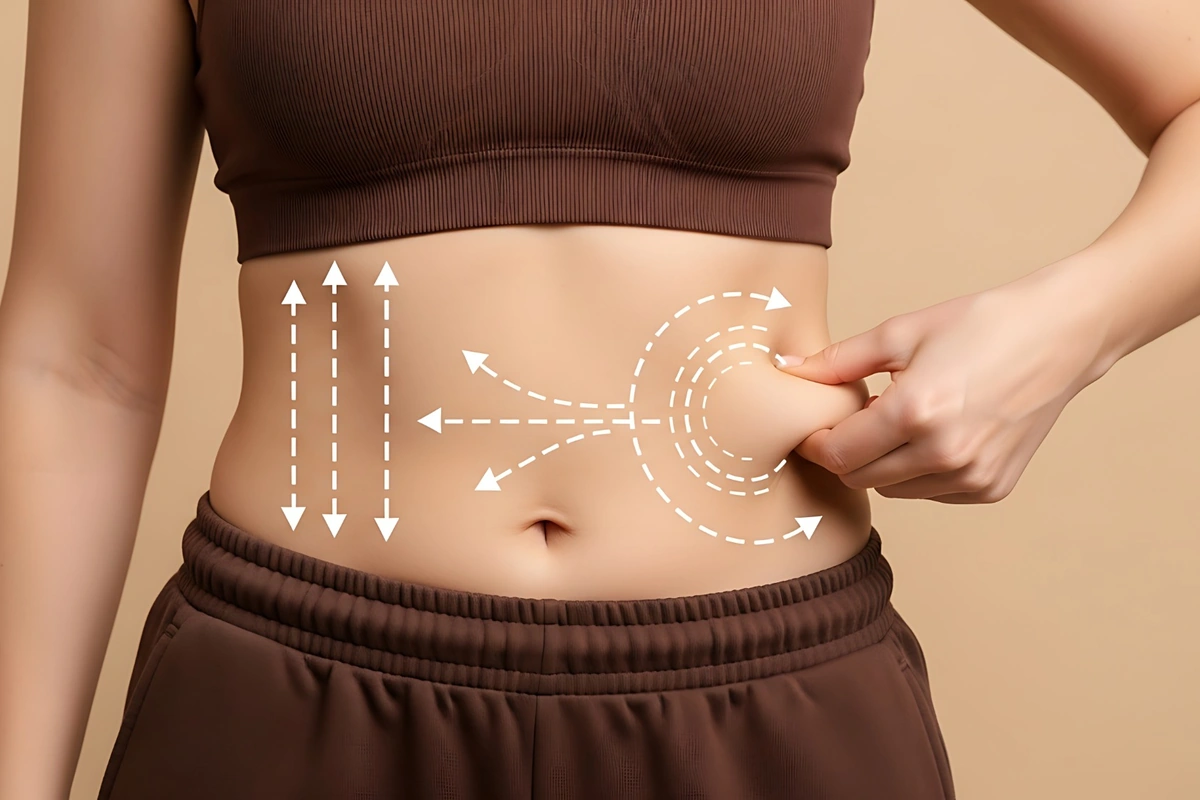
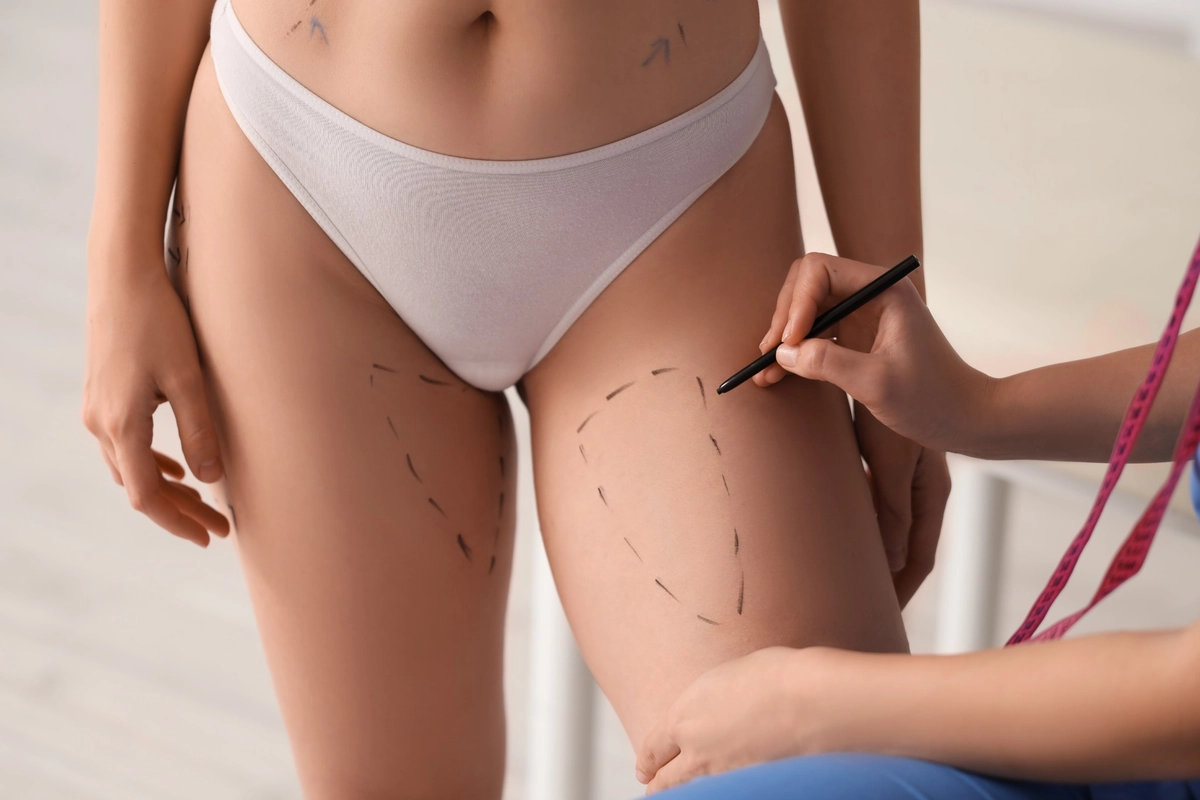
The process begins with a consultation to discuss your goals and evaluate your anatomy. From there, fat is removed from a donor area such as the abdomen or thighs, purified, and then injected into the treatment area in small amounts to support natural contours. Aftercare instructions are also an important part of the process because healing plays a big role in how the result settles.
A simple way to think about the procedure is this:
● First, we create a treatment plan around your facial structure and goals
● Next, donor fat is gently harvested
● Then, the fat is processed for placement
● Finally, it is injected carefully to build smoother, more balanced contours
That careful placement is important. Facial balance usually comes from precision, not excess. Small-volume placement in the right areas is what helps the result look soft and believable rather than obvious.
Who May Be A Good Candidate For Fat Transfer
This treatment may make sense for people who have lost facial volume from aging or weight changes and want a more natural way to restore fullness. You also need enough donor fat available for harvesting, and should be in good overall health. Patients who prefer natural enhancement rather than synthetic fillers may find this option especially appealing.
In practical terms, a good candidate is often someone who wants correction, but not exaggeration. If your concern is facial hollowness, contour imbalance, or loss of softness in certain areas, facial fat transfer may be worth discussing. A consultation is the best way to determine whether the amount and placement of volume needed can realistically support improved facial symmetry and balance for your features.
What To Expect After Treatment And How Results Hold Up Over Time
Recovery does require patience. Swelling and bruising are expected after treatment and may fade over days to weeks, depending on the area treated and your healing response. That means your final result is not immediate. You will likely see improvement develop as swelling settles and the transferred fat establishes itself.
This is where realistic expectations matter most. Not every transferred fat cell survives, and some volume loss over time can still happen. Even so, fat cells that successfully take hold can last for many years. For the right patient, that can translate into a long-lasting facial volume result that helps the face look smoother, fuller, and more naturally balanced over time.
Ready To Restore Natural Facial Balance?
If facial hollowness or uneven contours have started to bother you, Fat Transfer may be a thoughtful option for restoring volume in a way that still looks natural. At the Aesthetic Center, we take the time to evaluate your facial structure, discuss your goals, and build a treatment plan that makes sense for your features.
If you are considering facial contouring treatment in Bismarck, ND, reach out to our team to find out whether fat transfer is the right fit for you. Improve facial symmetry with long-lasting results!